Showing posts with label skin care. Show all posts

Monday, November 9, 2015

Evening Steps & Products | Skin Care Part 3 | Back to Basics


Your night-time skin care routine shouldn't be too different from your morning routine. As always you can add or take away things depending on your skins specific needs.

The steps and products in this post are the general steps that you can take to get better skin. You want to remember that these things aren't magical products that will work immediately. You have to get your skin into a routine and let the products work over time.

Step One: Removing Makeup

If you tend to wear makeup on an everyday basis, this is a step that you don't want to forget. Removing your makeup will kick start the cleansing process by getting rid of the majority of the stuff on your face before you go in with a cleanser. If you don't remove your makeup prior to cleansing, you will end up having to wash your face 2-3 times to get it really clean. This isn't always the best because some cleansers can really dry out your skin. This could make your skin produce more oil and be prone to breakouts.

Removing your face and eye makeup with wipes is the easiest and quickest way to get most of that makeup off. I really love the Neutrogena Makeup Remover Cleansing Towelettes. These wipes are super gentle and they work great to get through face makeup and waterproof mascara.

Step Two: Cleansing

When you cleanse you want to make sure that you are getting the last traces of makeup off and also making sure your skin is really clean. If you use a gentle cleanser, you can cleanse twice, it depends how your face is feeling and what it needs. You can use your hands or if you have a cleansing brush you can also use that. There are so many of these brushes on the market. They are designed to give your skin a super deep clean. It goes much deeper into your skin than just using your hands. An electric face brush is a great investment in your skin care.


Step Three: Exfoliating

Exfoliating is when you use an abrasive type cream to remove the dead skin cells off your skin. This is not something you want to do every day, since it can cause redness and sensitivity. You should exfoliate 2-3 times a week or as your skin needs it. Exfoliating helps with flaky or dry skin. There are many different kinds of exfoliants, there are more gentle are mild exfoliants that are made for sensitive skin, and there are also very abrasive exfoliants that are made for people with tougher skin that can take it, and many more in between. Depending on your skin type is the product that you want to choose.


Step Four: Toning

Toning is very important, as I talked about in my last post. Toning balances the pH levels of your skin returning it to a slightly acidic level instead of a slightly alkaline level. This is important to keep harmful bacteria and fungi away from your skin. This also helps close up your pores to minimize oil production and in turn minimize breakouts.


Step Five: Correcting/Acne Treatments

This step depends on what kind of skin you have. For acne prone skin this step is where you want to use spot treatments. If you don't have active acne, this step can be used to prevent any breakouts from occurring. Using a serum or beauty oil is ideal in this step. You want to make sure that your skin is hydrated so it can repair itself as you sleep.
There are many different beauty oils and serums. The one you choose depends on what kind of skin you have and what your needs are.


Step Six: Moisturizing

After the serum or beauty oil or any treatment has soaked into your skin, this is when you want to apply your moisturizer/night cream. Again this is going to help your skin look and feel softer and younger. It will return that moisture to your skin that toning usually gets rid of. The more moisturized your skin is the healthier it will look.
There are many different types of moisturizers. This like everything else is based on your preference and what your skin really needs. I love using an anti-aging cream, because these sort of creams have a ton of beneficial properties. You can never be to early to prevent wrinkles. The key is finding the cream that will work best for your skin.
You also what to use an eye cream to hydrate your eye area. The under eyes and lids are the thinnest skin on your face, and you want to make sure that you are taking extra care of this area.


These are the general steps for a night time skin care routine. As always you can customize and switch things up as you needed. Don't be afraid to try new things, it is a great way to get your skin to start working for you.

What are your favorite skin care products to use in the evening?

Check out the previous posts in the Skin Care mini series:

Skin Types | Skin Care Part 1 | Back to Basics


All images are from Google.com

Thursday, October 29, 2015

Morning Steps & Products | Skin Care Part 2 | Back to Basics


There are many products that are available from high-end to drugstore to use to have healthy skin. In this post I'm going to be talking about the bare minimum. These are simple steps that will be great to start doing to have healthy radiant skin.
Depending on your budget and your preference some of these products might not be necessary for your skin. Remember everyone has different skin, and there isn't only one way to do things. These are just my tips for getting and maintaining nice skin.

The steps below are things that you can do in the morning to take care of your skin. The products that you use in the morning should be lightweight and easy to get into the habit of doing.

Step One: Cleansing

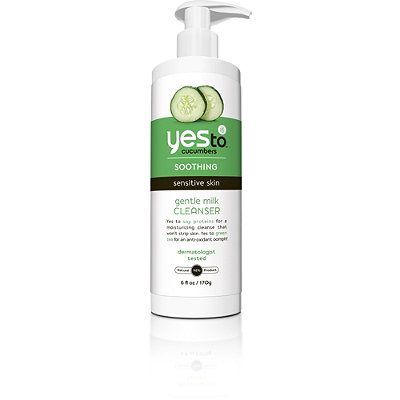
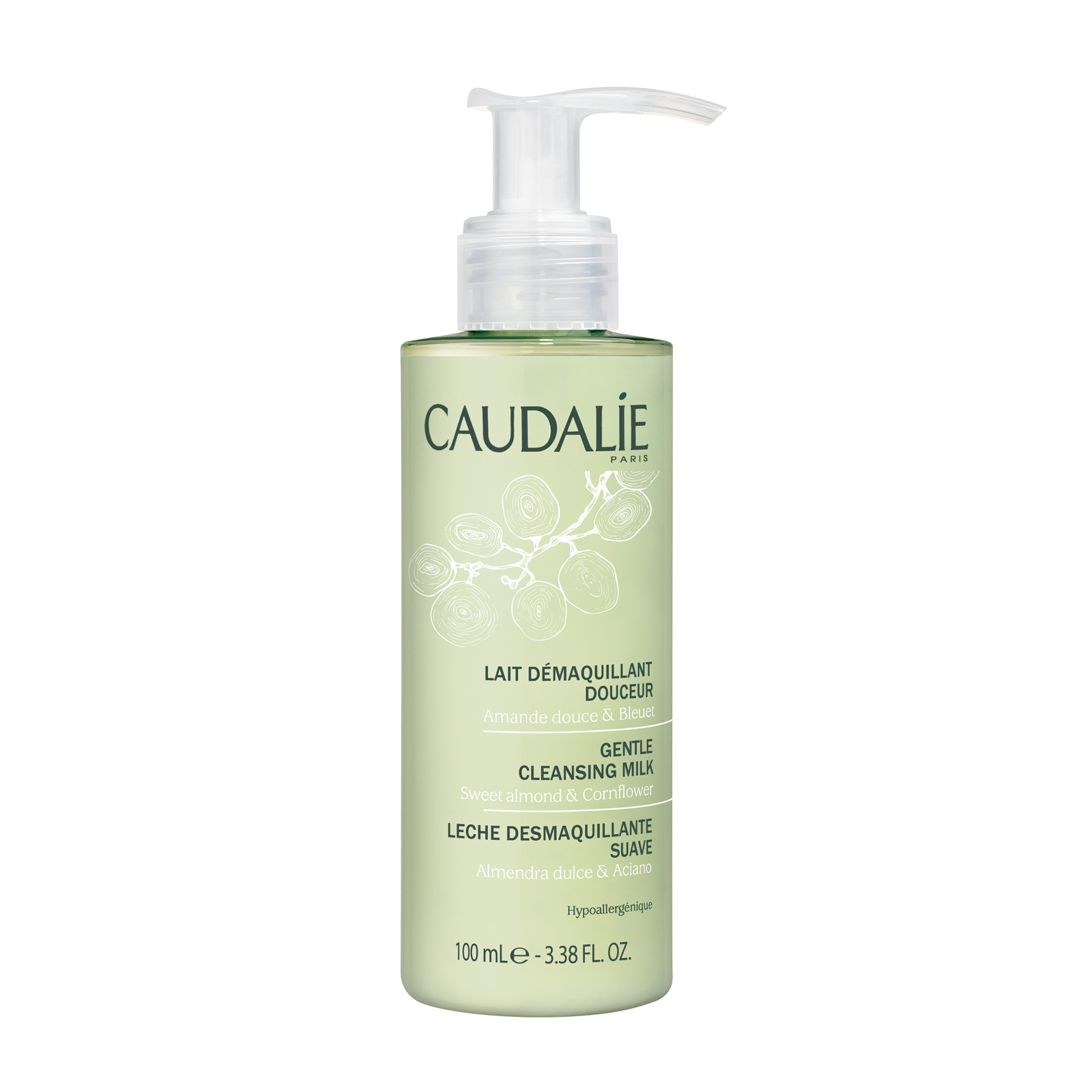
Cleansing the skin is the most important part of any skin care routine whether or not you are wearing makeup. You should always cleanse the skin at least twice a day. In the morning your face is relatively clean, so using a mild cleanser (oil or milk) would be ideal. This will prep your skin for all the skin care products you will apply afterwards.
Depending on your skin type (Skin Type blog post) you want to make sure you are choosing products that are going to help your skin and not hurt it. If you use a cleanser that is too harsh it can cause breakouts, redness, dry patches and that in turns doesn't help your end goal of nice healthy looking skin.

There are so many different cleansers out there. I really love using the Clean & Clear morning face wash. These types of cleansers are specifically made to be used in the morning and are really great. They do a good job of getting the skin clean and refreshed for the day.

Step Two: Toning

A toner is used to balance the pH level of the skin. pH (potential hydrogen) is used to show how acidic or alkaline a solution is, it ranges from 1 highly acidic to 14 highly alkaline and 7 is neutral. Skin is around 5.5 on the pH level which makes it slightly acidic, this helps ward off harmful bacteria and fungi. When you use a cleanser you might be getting rid of too much of the acidity in your skin. When your skin becomes alkaline, it has no defense against bacteria, UV rays and harsh ingredients.

What a toner does is it restores the pH balance of your skin. This is really beneficial to your skin because it will make sure that everything is running smoothly. In the long run this will help you maintain healthy skin.

During the day I like to use a toner that is more on the mild side as some toners tend to have alcohol as an ingredient and this can dry out the skin. I use a toner water from Lush. This is a very gentle toner and works great for a quick pass after cleansing in the morning.

Step Three: Moisturizing & Eye Cream

The second most important thing to do for your skin is moisturizing. After cleansing and toning your skin may be too dry and not where it needs to be. Moisturizing is so important. This will make your skin be soft and youthful. It will help with wrinkles and elasticity in the long run. The more preventative you are about your skin now, the less you have to worry about later on in life.

For the day time you want to use a moisturizer that is light. A cream that you can massage into the skin quickly is ideal, especially if you don't have a ton of time in the morning to get ready.

I have been recently been using the Ponds anti-wrinkle cream, and I have been loving it. It is really rich but very light weight. It sinks into the skin in no time and it doesn't leave my face oily or greasy feeling. Again you can go for whatever you feel your skin needs.

Another thing that goes into the moisturizing category is eye cream. I think everyone should be using eye cream. The skin around the eyes is very thin and soft, very similar to the lips. The eye area needs some special treatment. If you have really dark circles or larger under eye bags you can try a firming or cooling eye cream. If you have a few more wrinkles than you would like to have try using a wrinkle eye cream.

I have been using the eye cream from Benefit. This eye cream is again really light, it sinks into the skin quickly and it makes the skin around my eyes super soft. Any eye cream that you use is good eye cream.

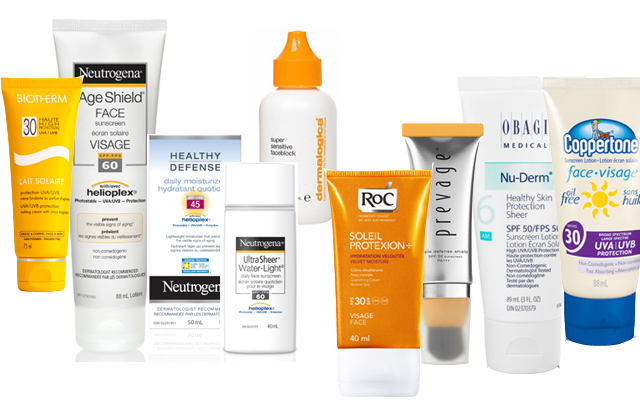
Step Four: Sunscreen

This step is probably the most important when it comes to skin care. You always want to protect your skin from the sun. Now I have to be honest, I don't usually wear sunscreen. I have not found one that I like to use on my face. I know I should but the truth is I don't. Either way I wanted to talk about it because it is a very important thing to have in your skin care routine.
As we all know, prolonged exposure to UV rays can lead to skin cancer. So taking care of the skin on your face is crucial, especially when you are not wearing makeup.
I would suggest using a lightweight sunscreen with a high SPF.

If you have any suggestions on what kinds there are out there to try, I would really appreciate the help!


Check out the other posts in this Skin Care mini series:

Previous Post: Skin Types
Night-time Steps & Products
Extra Skin Goodies


All Photos are from Google.com

Wednesday, October 21, 2015

Skin Types | Skin Care Part 1 | Back to Basics


I am going to be starting a new blog series called Back to Basics. I know a lot about makeup and skin care now, but when I was younger and first starting out, I really had no idea what I was getting into.  I didn't know anything about makeup and what to do to make applying it look good.

So I want to go way back and start at the very beginning and teach you everything you need to know to be able to do whatever makeup look you want and to take care of your skin.

I will be starting out the Back to Basics series with the Skin Care mini series. In this post I'll be going over skin types and what works for them. In the subsequent mini series, I will go into the steps for getting and maintaining good skin in the morning and in the evening. And I will also talk about extra goodies and what they do for your skin.


Now when I was younger, I didn't do much with my skin. I washed it with regular ol' bar soap and called it a day. But there are many more things that go into skin care before we can jump into makeup. You have to have a good canvas to work on. Just knowing how to take care of your skin, will be very beneficial once you start wearing makeup all the time.
You will want to know how to cleanse the skin, and prep it for any situation.

Skin care is the cleansing, massaging and moisturizing of the skin, especially the hands and face.

The first step is to figure out what kind of skin you have. This is important, so you can treat your skin with what it needs. The skin types below are the most common. If you see that you fall into more than one category, you probably have combination skin.

Dry Skin Type - Dry skin can produce almost invisible pores, a dull or rough complexion, red patches, less elasticity, more visible lines.

Normal Skin Type - Normal skin is not too dry and not too oily, it has no or few imperfections, no severe sensitivity, barely visible pores, a radiant complexion.

Combination Skin Type - Combination skin type can be dry or normal in some areas, and be oily in others. Combination skin can have overly dilated pores, blackheads, shiny skin, patches of dry skin.

Oily Skin Type - Oily skin can produce enlarged pores, shiny or thick complexion, blackheads, pimples or blemishes.

Sensitive Skin Type - Sensitive skin can be characterized by redness, itching, burning or dryness.

Once you know what skin type you have, then you can start looking at what products will work best for your skin.

If you have oily skin you want to make sure your face is moisturized, the more moisture you put on your face, the less oil your skin will produce. Don't be afraid to use beauty oils or essential oils on your skin. This will actually help you control how much oil your skin produces. Once your skin is used to outside oils and creams, then it will slow down the extra production of oil. Another thing to try is using a more lightweight cleanser. The harsher the cleanser the more dry your skin will get and the more oil your skin will produce to make up for the dryness.


For dry skin you want to moisturize a lot more than for oily skin. If you have dry skin, try drinking more water. Your skin is a reflection of how your health is on the inside. Also stay away from foaming cleansers, these usually tend to have a more drying effect on the skin. Maybe go for a milk cleanser or an oil cleanser. These type of face washes will clean your skin but wont over dry it.
 

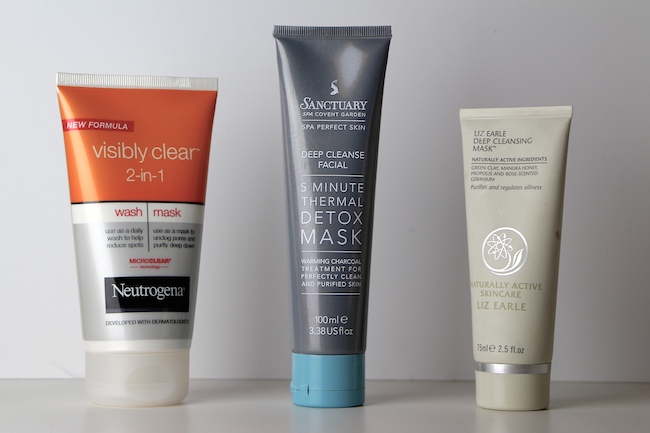
If you have combination skin, you will want to have different products for the different parts of your face. I really love using moisturizing or deep cleaning face masks for the T-zone, where you get the most oil production. And try using a more rich and moisturizing products for the rest of the face. Multi-masking is a great way to deal with problematic skin.


If your skin is very sensitive, try using a product line that is specifically targeted for sensitive skin. A very good drugstore brand is the Simple skin care line. These products are fragrance free, and chemical free which is perfect for people with sensitive skin. Also try using products that are light on the skin. Nothing too heavy or extremely harsh. The gentler the better.


For acne prone skin, I would suggest using acne targeting products only where needed. You don't need to apply these type of products all over the face if you only have breakouts on your cheeks, for example. This could really dry you out, or worse cause more acne breakouts. Using a product that contains benzyl peroxide or salicylic acid will help get rid of acne or breakouts.


If you are one of the lucky few who have normal skin, you are probably already doing the right things. Getting into the habit of a good beauty routine will help your skin stay on track and stay clear. Cleansing, moisturizing, toning and adding masks when needed for normal skin is the way to go. Try using products the are gentle or right in the middle of harsh and sensitive.

Getting to better know and understand your skin is the first step in good skin care and ultimately good makeup application.


These other posts in this Skin Care mini series are coming soon!

Morning Steps & Products
Night-time Steps & Products
Extra Skin Goodies


Sources: WebMD
Pictures: Google.com